
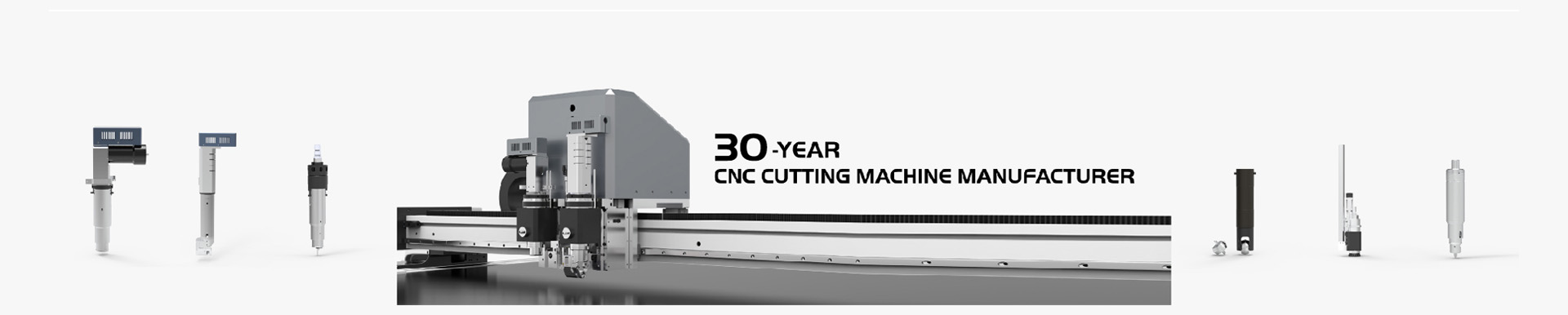
The modern automotive industry has witnessed a significant shift toward personalization. Consumers increasingly demand unique interior designs, tailored to their tastes, featuring specific materials, colors, stitching patterns, and configurations. Manufacturers are now challenged to deliver these personalized components while maintaining efficiency, minimizing material waste, and meeting strict quality standards. In response, the adoption of CNC cutting machine technology has become critical. By leveraging the capabilities of a digital cutting machine, automotive suppliers can streamline production processes while ensuring high-precision outputs suitable for small-batch manufacturing.
Small-batch production refers to the manufacturing of limited quantities of customized automotive interior components, such as seat covers, door panels, dashboards, and headliners. Unlike mass production, small-batch manufacturing requires flexibility, fast changeovers, and high accuracy to accommodate unique customer specifications. Traditional manual cutting methods are inadequate for such tasks due to human error, inconsistent cuts, and inefficiency. The integration of a CNC cutting machine with advanced automotive interior cutting solution software ensures every piece is cut precisely, enabling manufacturers to produce bespoke interiors with confidence.
Materials Used in Customized Automotive Interiors
Materials Used in Customized Automotive Interiors
Automotive interiors comprise a wide range of materials, including:
Genuine leather
Synthetic leather and PU materials
Technical fabrics for seating and door panels
Composite materials for dashboards and trims
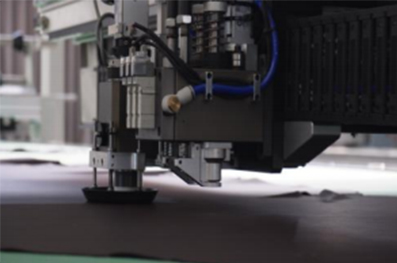
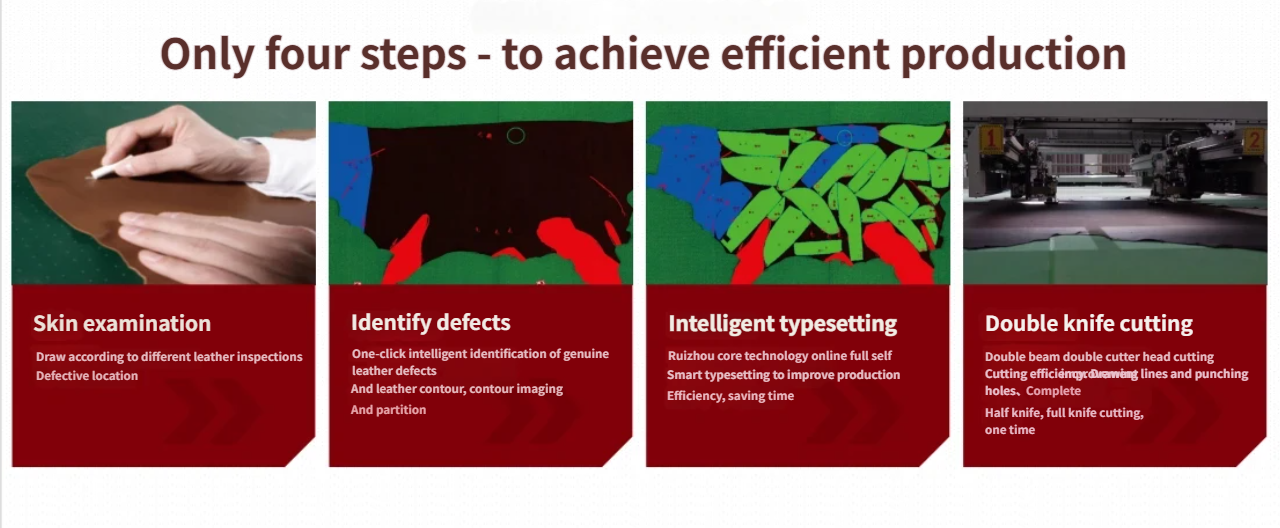
Each material presents unique challenges. Leather requires careful handling to avoid defects, while fabrics must be cut precisely to maintain alignment and pattern consistency. A leather cutting CNC system ensures defect detection and optimal material usage, while a fabric cutting machine delivers accurate cuts for woven and technical textiles. By employing these technologies, manufacturers can achieve consistent quality across all material types.
Advantages of CNC Cutting Machines for Customization
CNC cutting machine technology offers several advantages for small-batch automotive interior production:
1
High precision
Computer-controlled motion systems allow for exact cuts, ensuring that every component meets design specifications.
2
Consistency
Digital patterns are replicated accurately for each batch, eliminating variations caused by manual cutting.
3
Speed
Automated cutting reduces production time, enabling manufacturers to respond quickly to custom orders.
4
Material efficiency
Optimized cutting paths minimize waste, increasing profitability and sustainability.
With a digital cutting machine, these benefits are realized seamlessly, allowing manufacturers to balance customization with production efficiency.Automation plays a pivotal role in enabling small-batch manufacturing of custom interiors. Automotive interior cutting solution systems integrate with robotic material handling, automated feeding, and cutting operations. This reduces reliance on manual labor, decreases errors, and increases throughput. Operators can focus on monitoring the process and quality control rather than repetitive cutting tasks. For example, a leather cutting CNC system equipped with automated alignment and defect detection ensures optimal cuts without constant supervision, streamlining workflow and increasing productivity.Digital cutting machine technology leverages digital designs and CAD files to guide cutting operations. This capability is essential for small-batch production, where each piece may have unique patterns or features. By translating digital designs directly into cutting instructions, manufacturers eliminate the inconsistencies inherent in manual cutting methods. For complex shapes, multi-layered materials, or patterned surfaces, a fabric cutting machine ensures that designs align perfectly, maintaining aesthetic integrity and functional accuracy.Advanced CNC cutting machine systems now incorporate AI-powered visual recognition. Cameras and sensors scan the material surface to detect imperfections, such as scars, wrinkles, or uneven textures. The system then adjusts the cutting path to avoid defective areas, maximizing material utilization. This is especially critical in high-end leather applications, where waste reduction and premium quality are paramount. Integrating a leather cutting CNC system with vision technology ensures that every custom interior component is flawless.