
The History of Leather and Modern Manufacturing
Leather has been a cornerstone material throughout human history. From ancient times, leather was used for clothing, footwear, armor, and furniture. Early leather-making was a highly artisanal craft, demanding skilled laborers to clean, tan, and dye hides manually. The cutting of leather pieces was performed with knives or rudimentary tools, resulting in products that varied in quality, consistency, and appearance.The limitations of manual leather processing were clear: production was slow, errors were frequent, and material waste was high. Complex designs required extensive craftsmanship, making large-scale production impractical. However, as technology evolved, the leather industry underwent a radical transformation.
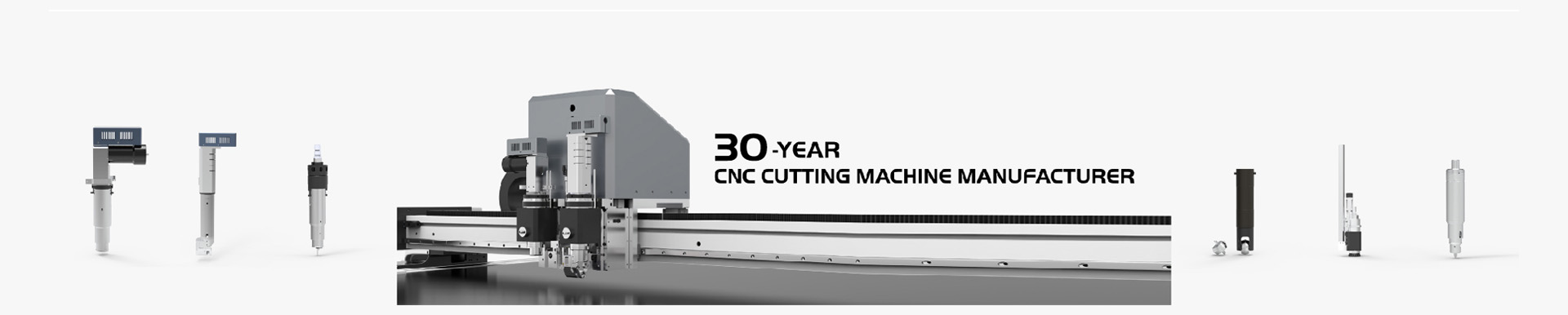
Today, modern manufacturing integrates automation, digital design, and precision machinery. The introduction of CNC leather cutting machine technology has become a game-changer. By combining computer-controlled operations with precise cutting mechanisms, manufacturers can now produce leather goods with unprecedented speed, accuracy, and consistency.
The shift from manual to automated processes reflects broader trends in industrial digitization. High precision leather cutting machine solutions now allow for exact replication of patterns, whether for high-end footwear, handbags, or luxury furniture, ensuring product uniformity at scale.
For more information on leading-edge leather cutting solutions, visit www.ruizhoucnc.com
The Leather Production Process
Leather production involves multiple stages, each critical for achieving high-quality results. Modern technology has enhanced each step, improving efficiency, safety, and precision.
1
Raw Hide Preparation
The first stage is transforming raw animal hides into workable leather through cleaning, dehairing, and tanning. Historically, tanning was performed using vegetable or mineral methods, often taking weeks to complete. With contemporary machinery and controlled chemical treatments, hides can be tanned faster, with more consistent texture and durability.
2
Dyeing and Finishing
After tanning, hides undergo dyeing and finishing. Automated dyeing machines and digital controls ensure consistent color, texture, and surface finish across large batches. This precision is essential for industries where appearance and uniformity are crucial, such as high-end fashion or automotive leather interiors.
3
Cutting
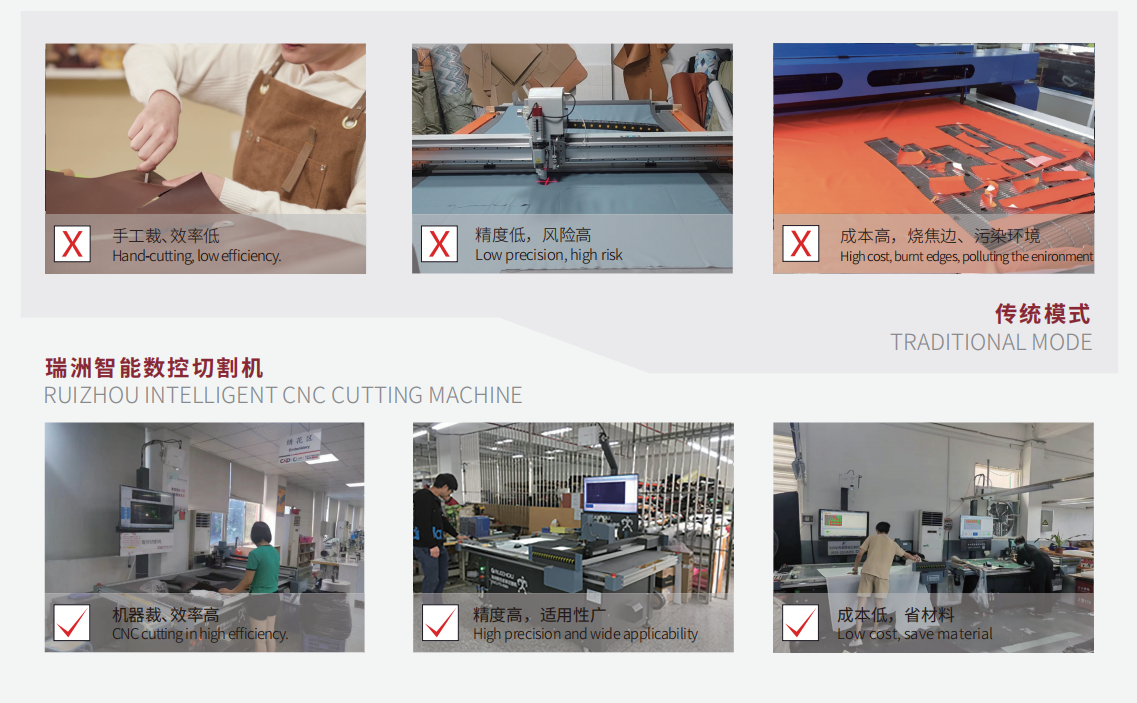
The cutting phase is where CNC leather cutting machine technology truly transforms the industry. Traditional hand-cutting is labor-intensive, error-prone, and often results in wasted material. In contrast, Automatic leather cutting machine solutions leverage computer programming to achieve precise, consistent cuts.
Digital leather cutting machine technology allows for complex patterns and intricate designs to be executed in minutes rather than hours. This precision reduces material waste and ensures every piece meets exact specifications. By integrating advanced Leather cutting technology, manufacturers can now optimize production layouts, reduce scrap, and deliver high-quality products faster.
How CNC Leather Cutting Machines Work
A CNC leather cutting machine operates by converting digital designs into precise, machine-executable instructions. Designers create patterns on software platforms, which are then imported into the CNC system. The machine translates these designs into cutting paths, which are executed automatically.Key aspects of the CNC process include:
Computer Numerical Control: The machine follows precise instructions from digital files, ensuring every cut matches the design perfectly.
Multi-Layer Cutting: Advanced machines can cut multiple leather layers simultaneously, improving production throughput.
Material Optimization: CNC systems calculate optimal cutting paths, maximizing leather utilization and minimizing scrap.
High precision leather cutting machine technology ensures that even the most complex patterns—such as decorative stitching outlines, micro-perforations, or interlocking components—are cut accurately. Manufacturers can confidently produce high-volume or custom orders without compromising quality.
By using Digital leather cutting machine solutions, factories can also integrate automated inspection systems and quality checks, further ensuring product excellence. The combination of speed, accuracy, and repeatability positions CNC technology as an indispensable tool for modern leather production.
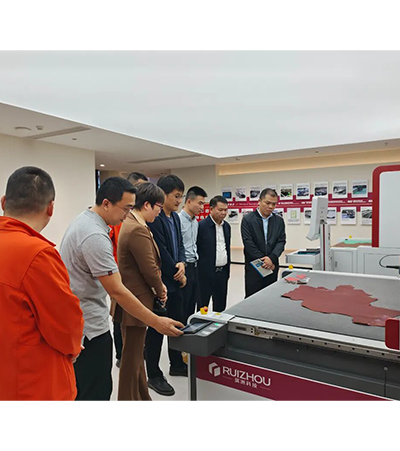
Using a CNC leather cutting machine provides manufacturers with numerous advantages, as its high-precision cutting can accurately execute both complex patterns and intricate details. By optimizing cutting paths, it maximizes leather utilization, reduces material waste, lowers costs, and supports environmental sustainability. Automated operation allows continuous production, significantly improving efficiency and shortening production cycles, while also enabling quick and flexible design changes to accommodate both large-scale and small-batch customized production. By combining Automatic leather cutting machine and Digital leather cutting machine technologies, manufacturers can fully meet modern demands for high-quality, fast, and flexible production, while minimizing labor dependency and human error, ultimately enhancing profitability and product consistency.
Innovation and challenges coexist
The future of leather manufacturing will increasingly focus on automation, intelligence, and sustainability. As demand for high-quality, customized leather products grows, factories will continue to rely more heavily on CNC leather cutting machine technology. Advanced Leather cutting technology is now being integrated with AI systems, predictive maintenance, and real-time production monitoring to enable intelligent production planning for optimized workflows and efficient order fulfillment, environmentally sustainable practices that reduce material waste and energy consumption, and rapid market responsiveness to trends and custom requirements. High precision leather cutting machine and Digital leather cutting machine technologies will continue to drive industry-wide smart manufacturing, with companies like Ruizhou at the forefront, providing cutting-edge equipment for the future. Despite environmental and resource pressures, technological innovation presents new opportunities: CNC leather cutting machine and modern Leather cutting technology help manufacturers increase efficiency, minimize waste, and produce high-quality products. Automation, digitalization, and precision cutting not only redefine industry standards but also create new possibilities for sustainable, modern production. By adopting Automatic leather cutting machine and Digital leather cutting machine technologies, companies can achieve growth, competitiveness, and environmental responsibility simultaneously. Explore advanced leather cutting solutions at www.ruizhoucnc.com