
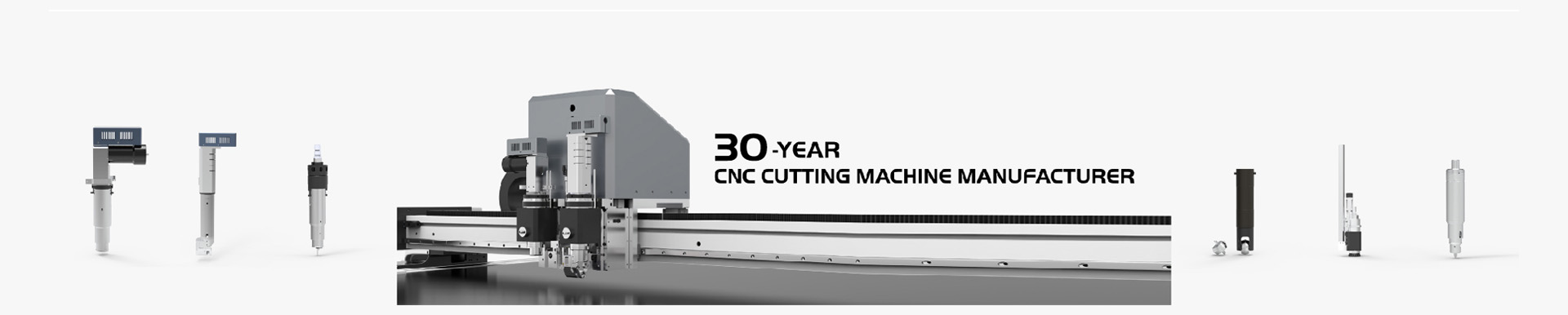
The global footwear manufacturing industry is undergoing a structural transformation. Traditional production models are no longer sufficient to meet the demands of customization, fast delivery cycles, and multi-style production.
Kids footwear factories in particular are under increasing pressure due to:
Small batch, high frequency orders
Rising labor costs
Higher quality consistency requirements
Shorter product lifecycle
At the same time, PU materials are widely used in children’s shoes due to their flexibility and cost efficiency, but they also introduce challenges in cutting precision and material utilization.Factories are shifting toward automation-driven production systems, especially CNC intelligent cutting technology.A modern CNC cutting machine is no longer just a tool—it is a digital production system integrating nesting, feeding, cutting, and workflow optimization.
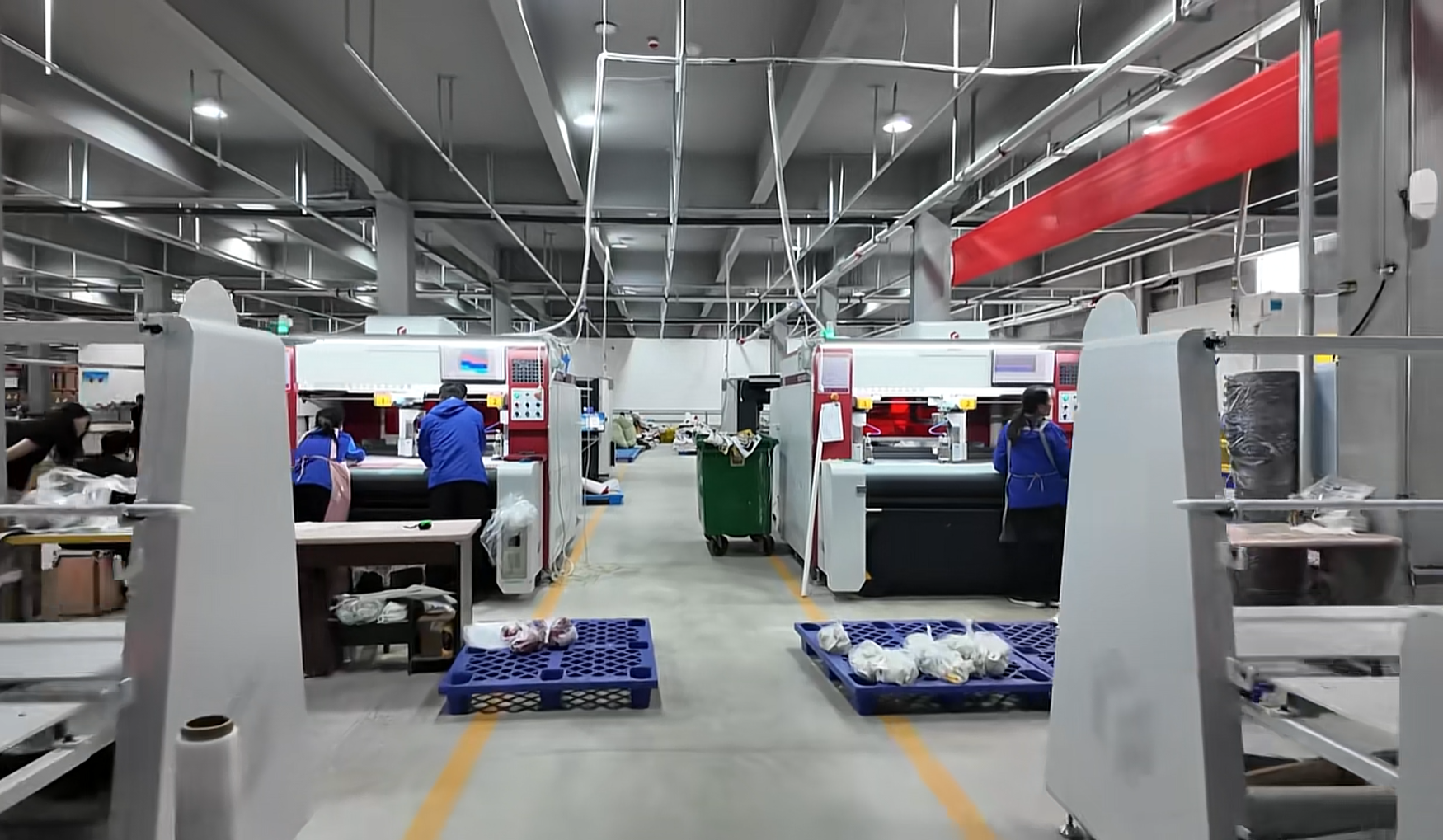
Industry Challenges in PU Footwear Production
PU footwear production faces several persistent problems:These issues directly impact factory profitability and scalability.
1
High Material Waste
Manual nesting often leads to inefficient layout, causing significant PU material loss.
2
Inconsistent Cutting Quality
Human-dependent cutting results in variations in accuracy and edge quality.
3
Low Efficiency in Multi-Style Orders
Frequent design changes slow down traditional production systems.
4
Rising Labor Costs
Skilled labor is becoming expensive and difficult to maintain.
Core CNC Cutting System & Automated Production Workflow
Technical Architecture, Efficiency Gains, and Application in Kids Footwear Manufacturing
The CNC intelligent cutting system is composed of several key technical modules, including a motion control system, cutting head assembly, nesting engine, feeding mechanism, and human-machine interface. Each component works in coordination to ensure stable, precise, and efficient production performance across different footwear manufacturing scenarios. The motion control system guarantees accurate movement and positioning, while the cutting head assembly ensures consistent cutting quality suitable for PU and synthetic materials. The nesting engine optimizes material layout to maximize utilization, and the feeding mechanism maintains continuous material supply. The human-machine interface allows operators to manage production parameters and monitor real-time processing status, ensuring a fully controlled digital workflow.
Factories that adopt CNC systems experience significant improvements in overall production efficiency. These benefits include higher output speed, lower material waste, reduced labor dependency, and improved consistency in cutting quality. Together, these advantages lead to measurable improvements in production efficiency and overall cost control, making CNC automation a key driver in modern footwear manufacturing competitiveness.
In particular, kids footwear manufacturing requires high flexibility and fast response to changing market demands. The CNC system supports multi-style production, rapid design switching, stable batch output, and high-precision cutting performance. This makes it especially suitable for OEM and ODM footwear factories that need to handle frequent design updates, small-batch orders, and strict quality requirements while maintaining high production efficiency.
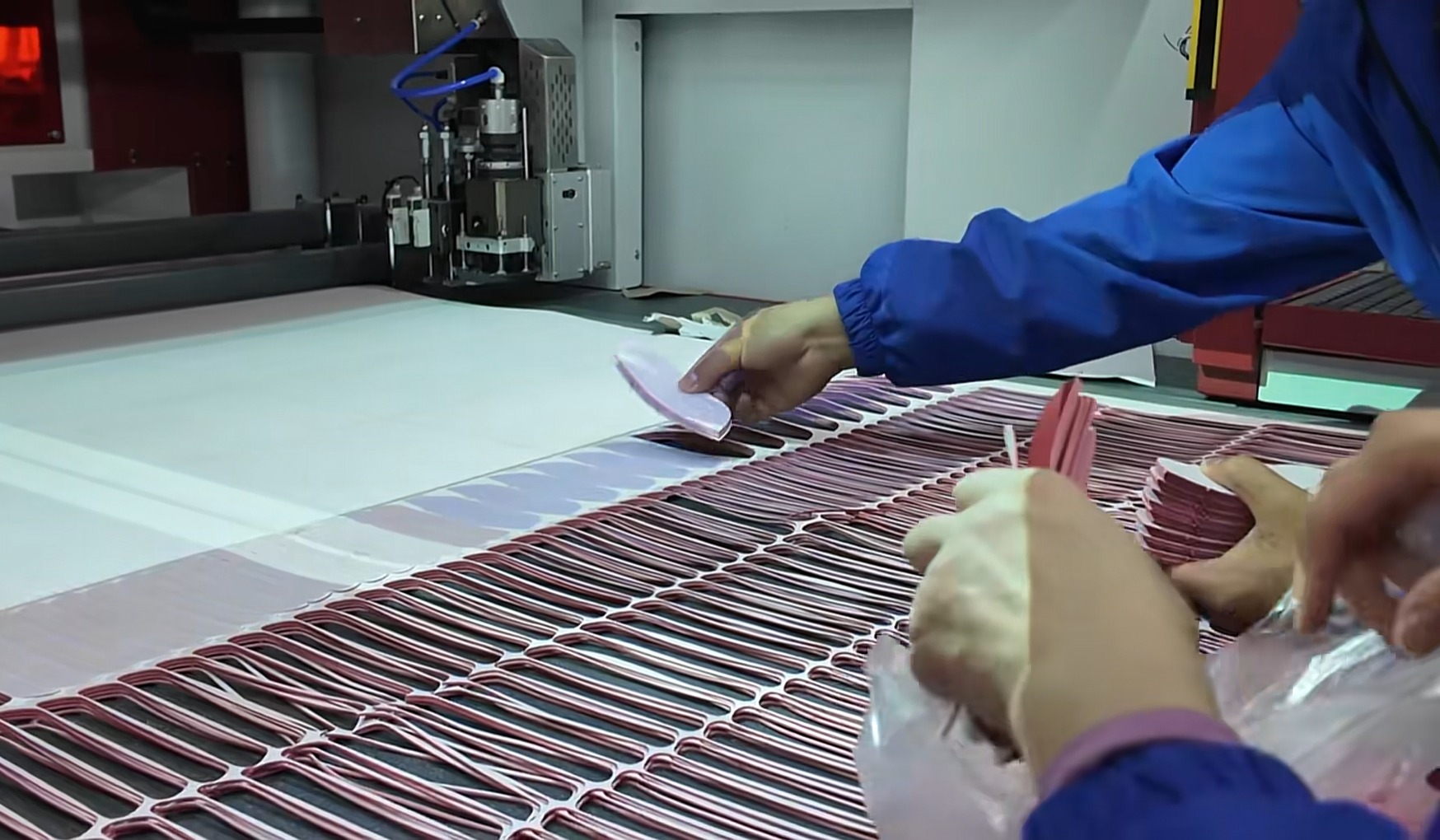
Future of Smart Footwear Manufacturing and Industry Conclusion
The future of footwear manufacturing is rapidly moving toward smart factory systems, where production is increasingly driven by AI nesting optimization, digital production systems, automated material handling, and real-time monitoring technologies. These advancements are reshaping the traditional manufacturing model and enabling factories to achieve higher levels of efficiency, flexibility, and precision. In this transformation process, CNC cutting machines serve as a fundamental technology that supports the transition from manual production to fully digital and intelligent manufacturing systems.
As the industry enters a new era of intelligent production, factories that adopt CNC cutting technology gain significant advantages in operational efficiency, cost control, and product quality stability. By integrating automation and digital optimization into the production workflow, manufacturers are able to achieve more consistent output, reduce material waste, and improve overall competitiveness in both mass production and small-batch customized orders. This technological upgrade is not only improving current production capabilities but also laying the foundation for long-term sustainable development in the global footwear manufacturing industry. Company Website:www.ruizhoucnc.com