
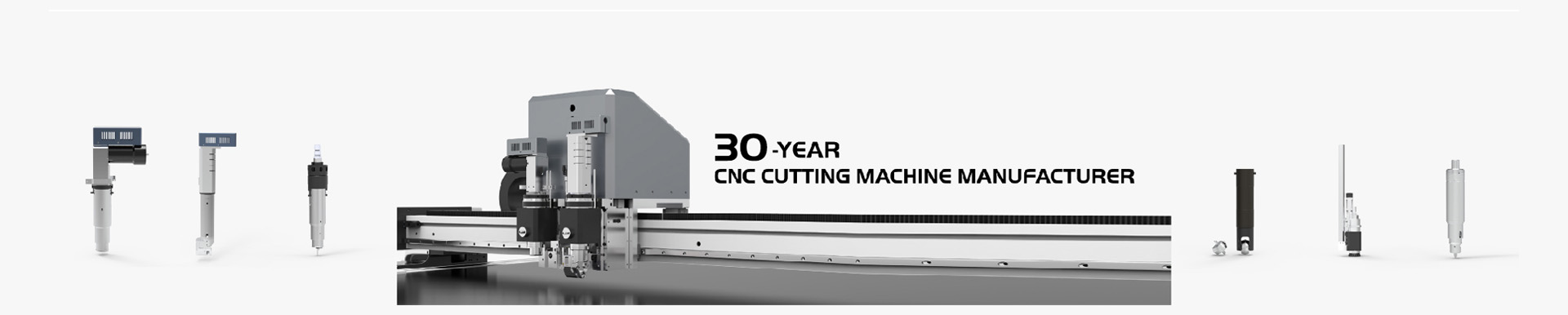
The global leather industry is undergoing a radical transformation. For decades, leather manufacturing relied heavily on manual craftsmanship, labor-intensive workflows, and experience-based decision-making. While this traditional approach produced high-quality goods, it is increasingly inadequate in the face of modern market demands. Consumers today expect customized products, shorter delivery times, and a higher degree of consistency in product quality.This shift in demand has created a new set of challenges for manufacturers. Factories must now handle small-batch, multi-style orders efficiently, respond quickly to design changes, and maintain uniform quality standards across diverse product lines. At the same time, labor shortages and rising costs have made reliance on skilled manual operators less viable.
In response, forward-thinking manufacturers are turning to Intelligent Leather Cutting Machines, which are not merely equipment upgrades but the backbone of fully integrated Digital Leather Manufacturing Solutions. These systems allow factories to evolve into smart, connected, and data-driven production environments where precision, efficiency, and adaptability are built into every stage of the workflow.
Global Market Pressure Driving Chang
Several forces are driving the adoption of digital leather manufacturing technologies:
1
Demand for Customization and Flexibility
Modern consumers increasingly seek personalized designs, limited editions, and unique patterns. This requires manufacturers to shift from traditional mass production to flexible, small-batch production models.
2
Rising Labor Costs and Skill Shortages
Finding skilled leather cutters is becoming increasingly difficult, and labor costs are rising globally. Manual processes are slower, inconsistent, and error-prone compared to automated digital workflows.
3
Supply Chain Competitiveness
Global buyers evaluate suppliers not only on price but also on responsiveness, consistency, and scalability. Factories that cannot demonstrate operational transparency or fast turnaround risk losing market share.
These pressures make the adoption of CNC Leather Cutting Systems and Automated Leather Production Technology a strategic necessity rather than an optional upgrade.
From Manual Workshops to Smart Leather Factories
In traditional leather cutting workflows, skilled workers manually assess leather sheets, identify defects, and arrange cutting patterns based on experience. While this approach allowed for creativity and flexibility, it was limited in scalability, consistency, and efficiency.
In contrast, Smart Leather Factory Equipment integrates cutting machines with digital design systems, material tracking, and production monitoring software. In such an environment, each cutting operation is digitally planned, executed with precision, and fully traceable.
By incorporating Intelligent Leather Cutting Machines, manufacturers gain:
Data-driven production: Decisions are guided by analytics rather than intuition.
Material optimization: AI-based nesting algorithms minimize waste.
Consistency and quality: Every batch matches the design specifications precisely.
Scalability: Production capacity can be increased without proportionally increasing labor or complexity.
CNC Leather Cutting Systems convert digital designs directly into machine instructions, eliminating human error in pattern interpretation and seamlessly integrating with upstream and downstream production stages to form a measurable, repeatable, and scalable digital workflow. By adopting these systems, factories can execute complex designs with high precision, reduce material waste through optimized layouts, maintain consistent production across multiple shifts and operators, and respond rapidly to small-batch or customized orders. Ultimately, CNC systems form the foundation of a smart leather factory, enabling manufacturers to shift from reactive production models to proactive, data-driven operations.
Technology Innovations and Digital Workflow Integration
Modern Intelligent Leather Cutting Machines are equipped with advanced technologies that collectively redefine leather manufacturing.
AI-Assisted Material Recognition
These machines can scan leather sheets to detect defects, texture inconsistencies, and usable areas. The AI engine automatically adjusts cutting paths to maximize material utilization while maintaining design integrity.
Intelligent Nesting and Layout Optimization
Advanced algorithms analyze multiple cutting patterns simultaneously, arranging them to reduce waste and enhance throughput. The system evaluates pattern sizes, material flaws, and production priorities to optimize the cutting sequence.
Multi-Layer Cutting and Automation
By cutting multiple layers of leather at once, manufacturers achieve higher productivity without compromising accuracy. Automated loading and unloading systems further reduce labor requirements, allowing a single operator to manage an entire cutting line.
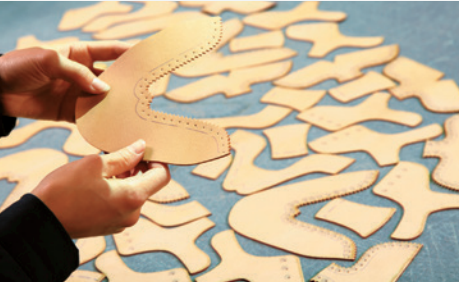
cutting sample
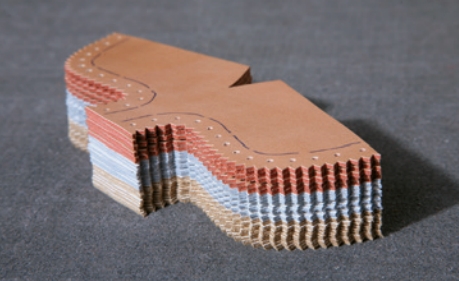
cutting sample
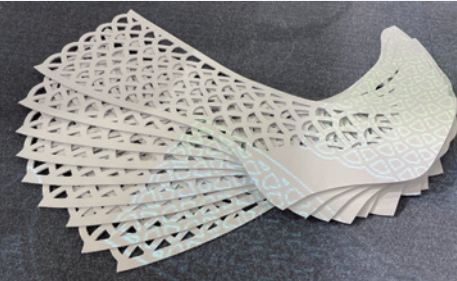
cutting sample
Integrated digital production management connects each machine to a digital platform that records every operation, enabling real-time data collection for production performance monitoring, material usage tracking, predictive maintenance alerts, and traceable quality control. This integration creates a transparent and intelligent production environment where management decisions are based on accurate, real-time data. Building on this, intelligent cutting systems can be linked to a broader smart factory ecosystem through IoT technologies, allowing centralized monitoring of multiple production lines, advanced predictive analytics, and optimized resource allocation. Within this digital ecosystem, manufacturers can forecast production bottlenecks, dynamically adjust workflows, and seamlessly integrate cutting operations with sewing, assembly, and finishing stages. At the same time, this transformation enhances sustainability and operational efficiency, as AI-assisted cutting minimizes material waste, while automation reduces dependence on manual labor, lowering overall operational costs and improving long-term factory sustainability.
From Production Efficiency to Strategic Manufacturing Advantage
Intelligent cutting systems have wide-ranging applications across the leather industry, from footwear, where they enable faster model switching, precise pattern replication, and optimized material usage, to handbags and accessories, allowing complex pattern execution with consistently high-quality output. In luggage production, these systems support high-volume, high-consistency manufacturing of premium products, while in automotive interiors, they ensure large panels are cut with precision to meet stringent OEM standards. These examples illustrate how intelligent cutting technology empowers factories to meet modern global standards while enhancing flexibility and responsiveness. Beyond immediate operational improvements, the strategic benefits for manufacturers include competitive advantage through faster response to market trends and customization demands, cost efficiency via optimized material utilization and reduced labor dependency, scalable production capabilities without proportional increases in labor or infrastructure, and enhanced quality assurance supported by digital traceability and monitoring that improve reliability and compliance.
Visit our official website to explore solutions and learn how RUIZHOU can help you build a smart leather factory:www.ruizhoucnc.com
Our engineering team provides consultation, tailored system design, and technical support to implement intelligent, data-driven cutting workflows, whether upgrading existing lines or planning new digital factories.