
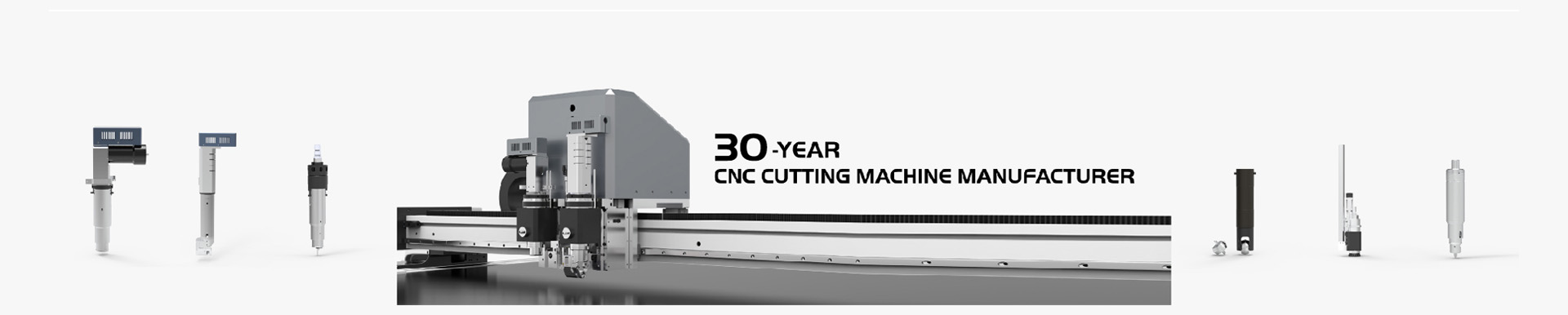
In today’s highly competitive manufacturing environment, leather product factories are under constant pressure to reduce costs, improve efficiency, and deliver consistent quality at scale. While many companies focus on surface-level expenses such as labor wages or machine purchases, the true profitability challenge often lies deeper within the production process itself—especially in leather cutting operations.
Manual leather cutting, still widely used in many factories around the world, appears cost-effective at first glance. It relies on skilled workers, basic tools, and relatively low initial investment. However, beneath this traditional workflow lies a series of hidden costs that significantly impact long-term profitability and production scalability.
These hidden costs are often overlooked but become increasingly damaging as order volumes grow and market competition intensifies. From material waste to inconsistent quality and production bottlenecks, manual cutting introduces structural inefficiencies that directly reduce profit margins.This is where modern solutions such as the CNC Leather Cutting Machine, advanced Leather Cutting Equipment, and intelligent automation systems begin to reshape the industry.
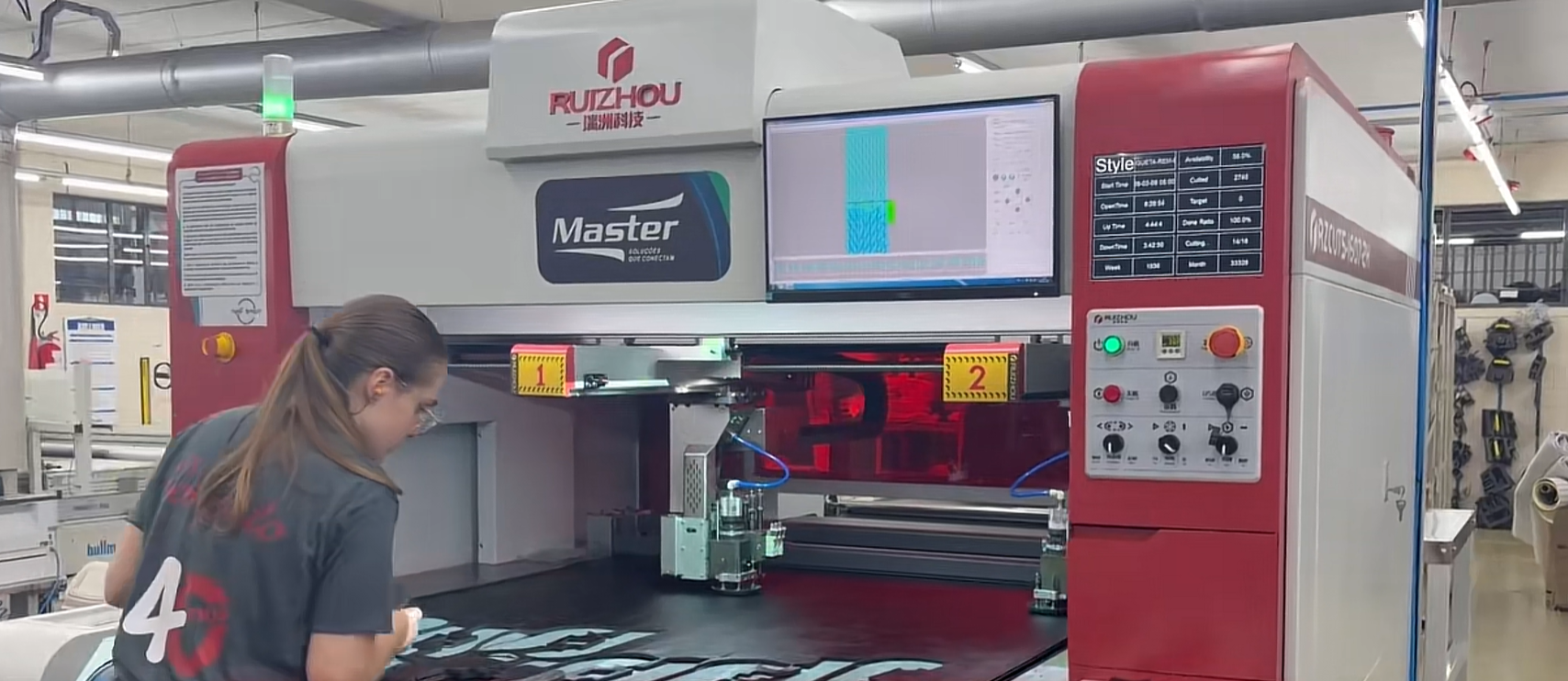
From Manual Experience to Digital Precision
One of the most fundamental differences between manual cutting and CNC technology is the shift from human experience to digital control.In traditional systems, operators rely on visual judgment and experience to position patterns and execute cuts. While skilled workers can achieve acceptable results, the process remains subjective and inconsistent.A Digital Leather Cutting Machine uses computer-controlled systems to execute cutting operations based on pre-defined digital patterns. Every movement is precisely controlled, eliminating human error and ensuring consistent output across all production batches.This transition significantly improves:
Cutting accuracy
Production repeatability
Operational stability
Batch consistency
Manufacturers can maintain uniform product quality even at high production volumes.
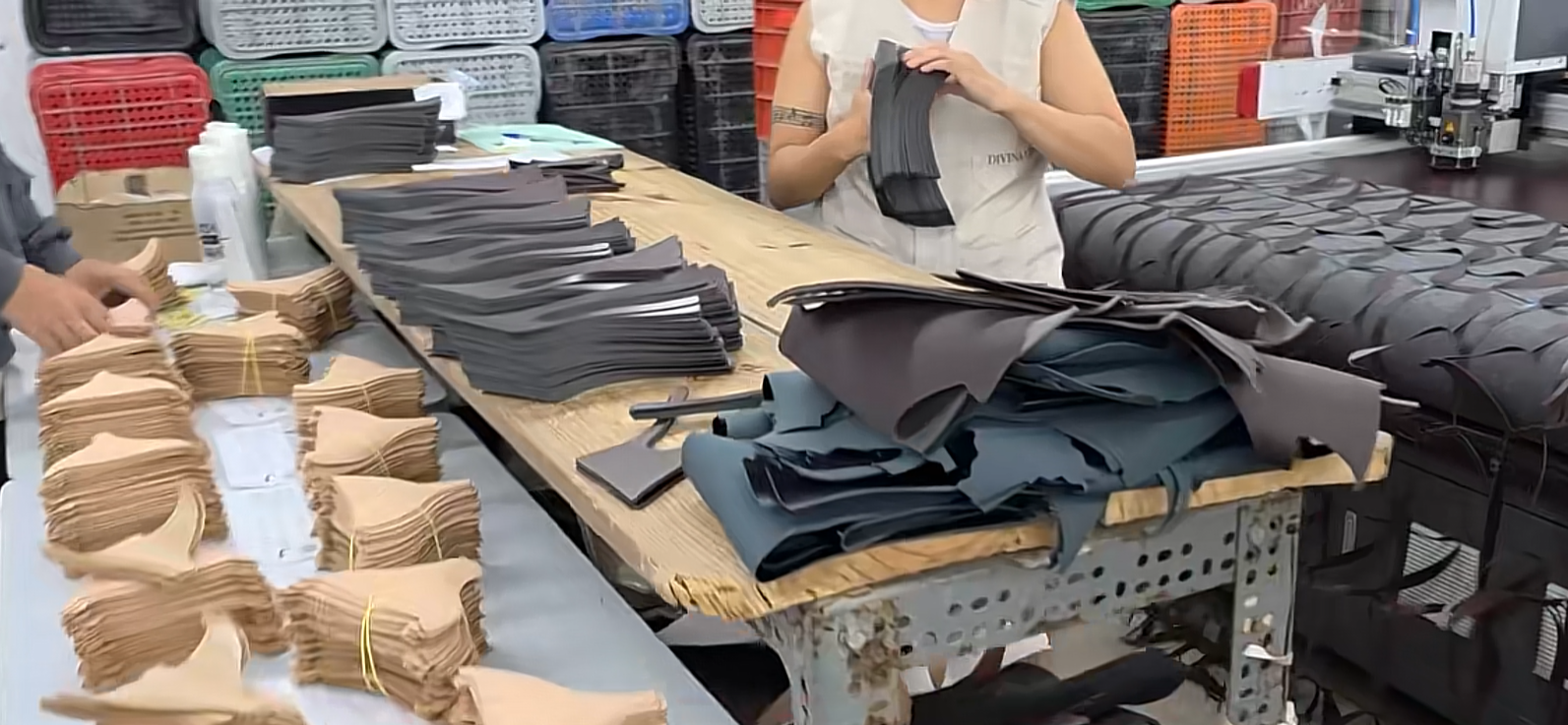
Material waste is one of the most critical hidden profit killers in leather manufacturing, as leather is an expensive raw material and even small inefficiencies in usage can lead to significant long-term financial losses; in manual cutting processes, waste is typically caused by inefficient layout planning, human error in pattern placement, lack of optimization tools, inconsistent cutting precision, and trial-and-error adjustments during production, where operators rely heavily on experience rather than algorithmic optimization, resulting in suboptimal nesting layouts that fail to fully utilize usable leather areas, meaning even a 3%–8% improvement in material efficiency can generate substantial savings, although manual systems rarely achieve stable optimization levels, which is why modern Digital Leather Cutting Machine technology offers a clear advantage through intelligent nesting algorithms that automatically arrange patterns to maximize material utilization and reduce waste, while quality inconsistency and production variability remain another major limitation of manual cutting due to unavoidable human factors such as slight deviations in cutting accuracy, uneven edge quality, pattern misalignment, operator fatigue, and differences in skill levels, all of which can accumulate across large production volumes and lead to serious quality control issues, especially in footwear, automotive interiors, and luxury leather goods where small deviations may cause rejected components or costly rework, while also negatively affecting downstream processes like stitching and assembly, making production less efficient overall, and finally, manual cutting operations often become the main production bottleneck since output is limited by human speed regardless of downstream capacity, leading to delayed schedules, uneven workflow distribution, idle time in other departments, difficulty scaling production, and increased pressure during peak demand, which is why manufacturers increasingly turn to automation solutions such as the CNC Leather Cutting Machine to eliminate bottlenecks and unlock full system production capacity.
Production Output Expansion Without Workforce Growth
Another key advantage of automation is the ability to increase production capacity without increasing labor force size.Traditional factories scale output by hiring more workers. However, this approach creates diminishing returns due to:
Workspace limitations
Coordination inefficiency
Management complexity
Training requirements
With an Automatic Leather Cutter, production capacity can be expanded through equipment scaling rather than workforce expansion.This allows manufacturers to:
Fulfill larger orders
Reduce delivery delays
Respond quickly to market demand
Maintain stable operational costs
Revenue potential increases while fixed costs remain relatively stable.As production demands grow, scalability becomes a key concern for manufacturers, while manual systems scale poorly due to labor constraints and space limitations and adding more workers does not guarantee proportional output increases; however, CNC systems are inherently scalable, since by adding additional machines or optimizing workflows factories can efficiently increase production capacity, maintain consistent quality, reduce operational complexity, and adapt to fluctuating demand, which is essential for manufacturers operating in global markets with unpredictable order volumes, and this scalability also reflects a broader transition toward intelligent manufacturing systems, as the adoption of CNC technology is not just a machine upgrade but a structural shift where modern factories increasingly integrate digital production systems, automated workflow management, data-driven decision making, and smart material utilization systems, with the CNC Leather Cutting Machine playing a central role in bridging traditional manufacturing with modern digital production methods.
CNC cutting technology helps manufacturers improve efficiency, reduce costs, and increase profit margins through smarter and more stable production.More info: www.ruizhoucnc.com