
In 2026, many leather manufacturers are facing a silent but growing production crisis.At first glance, the industry appears stable. Demand for footwear, leather goods, automotive interiors, and furniture remains strong. However, behind the scenes, production complexity is increasing at an unprecedented speed.The main reason is not demand—it is material diversity.Modern factories are no longer processing only traditional genuine leather. Instead, they must handle:
Genuine leather
PU leather
Microfiber leather
Recycled leather
Bio-based materials
Synthetic composites
Each material behaves differently during cutting, nesting, and production.This shift is forcing manufacturers to rethink their entire workflow in leather manufacturing.
The Real Problem: Multi-Material Production Breaks Traditional Systems
Most traditional leather factories were originally designed around a single core assumption: one stable material equals one stable production system. However, this assumption no longer holds true. Today, a single production line may need to switch between multiple materials within the same week—or even within the same day. This shift creates serious operational challenges, including frequent machine recalibration, inconsistent cutting results, higher material waste rates, longer preparation time between orders, and lower overall production efficiency. For many factories, these issues are not minor—they directly erode profit margins and expose the limitations of traditional cutting methods.
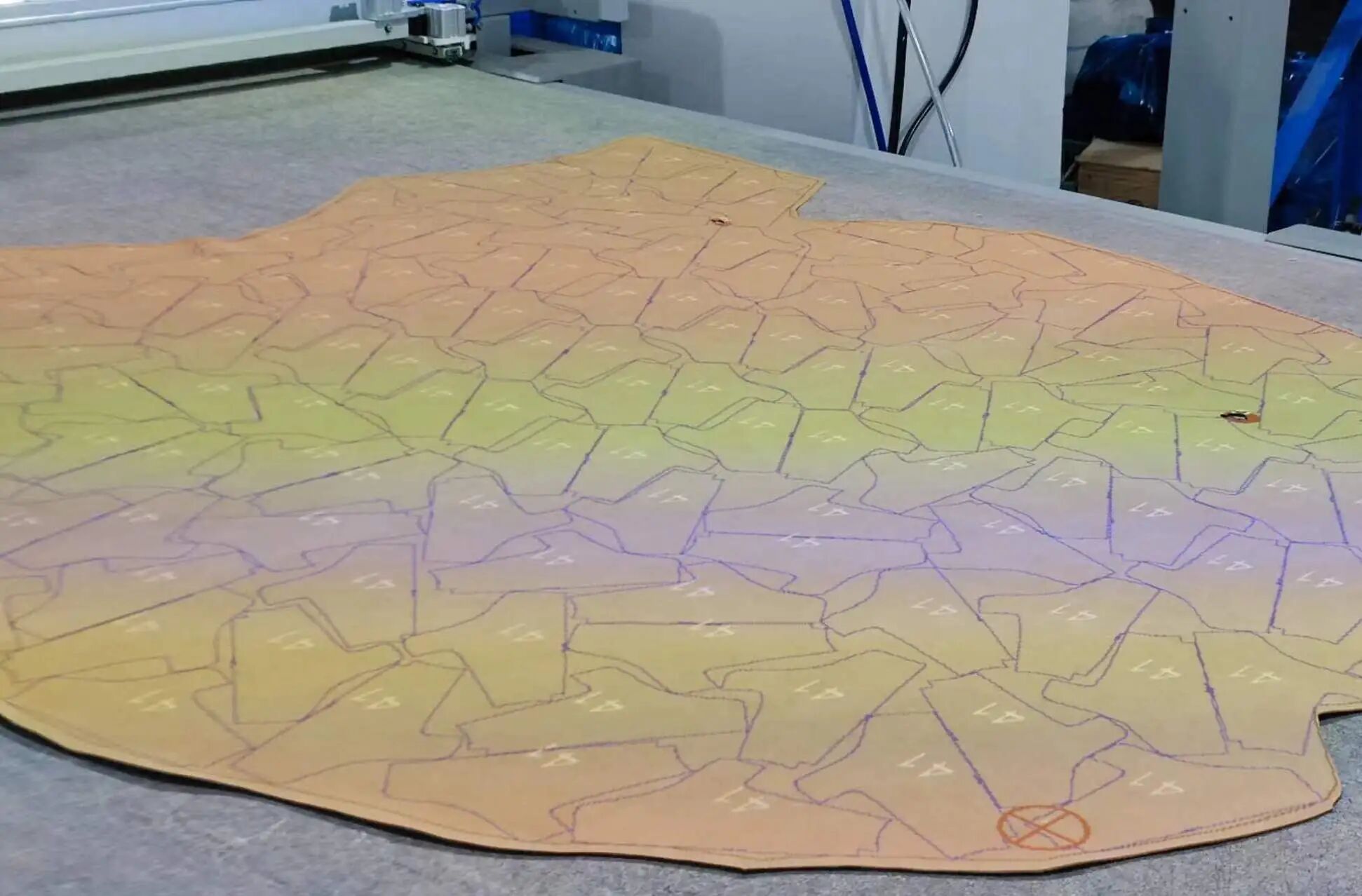
This is precisely where conventional cutting approaches begin to fail. Many manufacturers still rely on manual cutting, die cutting, and semi-automatic cutting systems. While these methods were once effective in a single-material production environment, they now create significant bottlenecks in multi-material workflows. Every material change requires setup adjustments, die production increases both cost and lead time, manual cutting introduces inconsistency, and material utilization becomes increasingly difficult to optimize. As product variety continues to grow, these limitations become more pronounced, pushing manufacturers—especially in competitive export markets—to search for more flexible alternatives.Material waste has emerged as one of the most underestimated yet critical profit killers in modern leather manufacturing. In many factories, even a 2%–5% improvement in material utilization can significantly impact annual profitability. However, waste levels continue to rise due to irregular leather surfaces, mixed material types, complex product geometries, frequent order changes, and inefficient nesting processes. As a result, optimization has become more important than raw production speed. Increasingly, factories are turning their attention to intelligent leather cutting solution systems that can reduce waste at the source and improve overall production efficiency.
The Shift Toward Flexible Manufacturing Is Accelerating
Market demand is also changing manufacturing behavior.
Brands are increasingly requesting:
Smaller batch sizes
Faster sampling cycles
More customized designs
Frequent style updates
This means factories must be able to switch production quickly and efficiently.In this environment, flexibility is no longer optional—it is a survival requirement.Flexibility cannot be achieved with rigid production systems.This is driving demand for advanced leather cutting machine technology that can adapt quickly to changing materials and orders.
Why CNC Cutting Is Becoming a Core Requirement
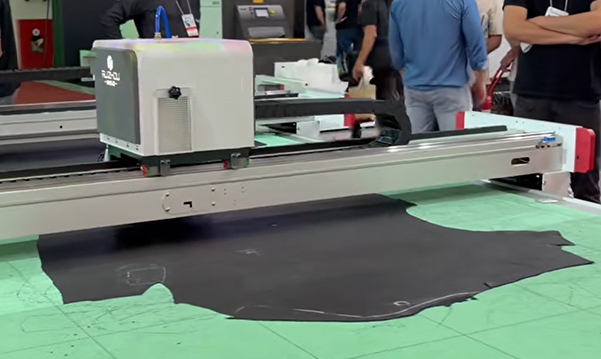
To address the growing challenges of multi-material production, more manufacturers are increasingly adopting automation and digital cutting technologies. Among them, the cnc leather cutting machine has become a core solution in modern leather manufacturing, offering significant advantages such as digital precision cutting across different materials, fast switching between production tasks, reduced dependence on manual labor, improved consistency across batches, and higher nesting efficiency. Unlike traditional cutting methods, CNC systems are not limited by material type or product complexity, making them highly adaptable to today’s fast-changing production requirements. As a result, they are becoming essential equipment in modern leather manufacturing environments.AI-based nesting systems are having a direct and measurable impact on profit margins. Modern factories are increasingly relying on these intelligent systems to solve material utilization challenges at scale. AI nesting can automatically detect usable material areas, avoid defects in genuine leather, optimize layout based on different material types, reduce waste through algorithmic arrangement, and improve cutting efficiency in real time. This capability is especially important in factories that process multiple material types simultaneously. As a result, AI nesting is no longer just a software upgrade—it is becoming a critical profit optimization tool within the production workflow.Another significant challenge in modern production comes from composite materials. Unlike traditional leather, composite materials often consist of multiple layers with different physical properties, which significantly increases processing difficulty. These challenges include uneven cutting resistance, risks of layer separation, higher precision control requirements, and variations in tool wear during production. As composite materials become more widely used in industries such as footwear and automotive interiors, manufacturers are under increasing pressure to upgrade their cutting capabilities in order to maintain stability, precision, and efficiency in production.
The Real Competitive Factor in 2026