
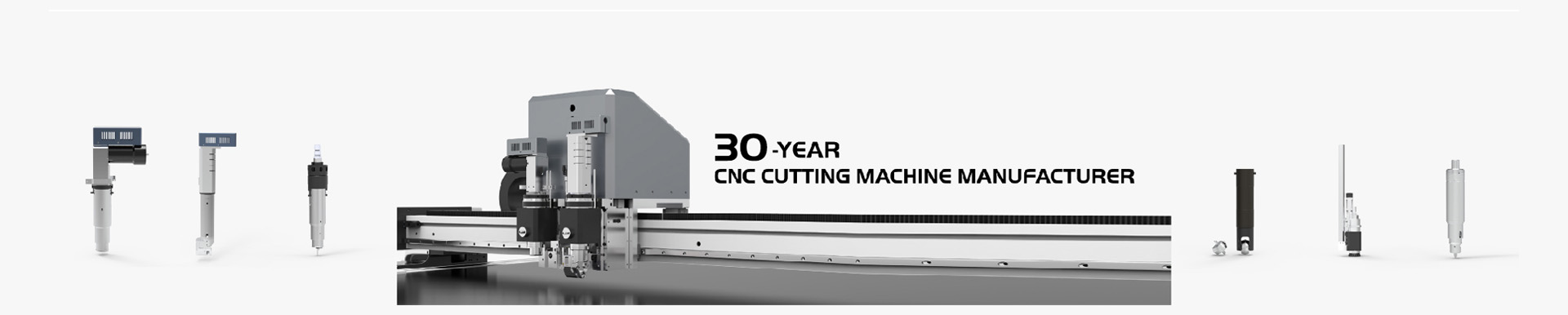
The leather industry is experiencing a major transformation. As consumer preferences shift toward customization, shorter product life cycles, and rapid product launches, manufacturers are facing increasing pressure to improve flexibility without sacrificing quality or profitability.Traditional die cutting has been the standard solution for leather perforation and decorative pattern cutting. While effective for large-volume production with stable designs, die-based processes often struggle to meet the demands of modern manufacturing, where product variations change frequently and lead times continue to shrink.Digital production technologies are reshaping how leather products are designed and manufactured. Among these innovations, the CNC Leather Cutting Machine has emerged as one of the most valuable investments for leather manufacturers seeking higher efficiency, greater flexibility, and improved material utilization.From footwear and handbags to automotive interiors and furniture upholstery, manufacturers are increasingly replacing conventional die cutting systems with intelligent digital solutions. The transition is not simply a technological upgrade—it represents a fundamental change in production strategy.
This article explores why digital leather perforation is becoming the preferred choice across the industry and how an advanced Intelligent Leather Cutting Solution can help businesses remain competitive in a rapidly changing market.
The Hidden Limitations of Traditional Leather Perforation Methods
Traditional leather perforation relies heavily on physical dies and molds. For many years, this approach provided an effective way to create decorative holes, patterns, and functional perforations on leather materials.However, as production requirements evolve, the disadvantages of die-based processing have become increasingly apparent.
1
High Tooling Costs
Every new design requires a dedicated cutting die, which can quickly drive up costs for manufacturers producing multiple product variations. Expenses often include die manufacturing, maintenance, storage and management, tool replacement, and additional costs associated with design modifications. As product collections are updated more frequently throughout the year, these tooling-related expenses can become a substantial operational burden, reducing overall production efficiency and profitability.
2
Long Development Cycles
Modern brands expect suppliers to respond quickly to changing market trends. However, traditional tooling processes often slow down production due to multiple stages, including design finalization, die manufacturing, tool testing, and production preparation. Each stage adds valuable time before actual manufacturing can begin. Moreover, when customers request design modifications, manufacturers frequently need to restart part or all of the tooling process, resulting in longer lead times, reduced flexibility, and slower time-to-market.
3
Limited Flexibility
Many manufacturers now operate under small-batch, multi-style production models that require frequent product changes and rapid responsiveness. However, traditional dies are primarily designed for large-volume production runs and often struggle to adapt efficiently to this manufacturing approach. Frequent design changes can lead to increased downtime, higher setup costs, lower production efficiency, and greater inventory management complexity. As product customization continues to grow across the leather industry, production flexibility is becoming increasingly important, often delivering greater value than simply maximizing output volume.
4
Material Waste
Leather is one of the most expensive materials used in manufacturing, making efficient material utilization a critical factor in overall profitability. Traditional cutting processes often rely on manual nesting and operator experience, which can lead to significant variations in material usage, increased waste caused by human error, and inconsistent production results. For manufacturers working with premium leather, even a small improvement in material utilization can translate into substantial cost savings and a stronger competitive advantage.
Why Digital Leather Manufacturing is Becoming the New Standard
The global leather industry is moving toward digital production systems.Several trends are accelerating this transformation.
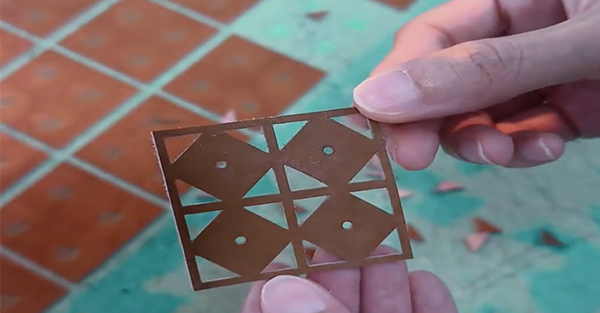
Consumer demand for personalization continues to grow, with brands increasingly offering customized footwear, personalized handbags, limited-edition products, and bespoke automotive interiors. These products often require unique perforation patterns and design elements, which traditional die-cutting methods struggle to produce in a cost-efficient and flexible way. In contrast, a Digital Leather Cutting Machine enables rapid style switching without the need for mold changes, making small-batch and customized production far more efficient. At the same time, product development cycles in the fashion industry are accelerating, requiring manufacturers to support fast sampling, quick prototyping, rapid design modifications, and faster time-to-market. Digital cutting technology significantly shortens development lead times, allowing updated design files to be directly converted into production without delays.
Modern Leather Perforation Machine systems use digital control to complete cutting processes, eliminating the need for traditional dies. One of the key advantages is die-free production, allowing manufacturers to directly import CAD drawings, quickly modify designs, instantly switch patterns, and avoid the complexity of managing large mold inventories, making it especially suitable for multi-style production environments. In terms of precision, advanced CNC systems deliver clean edges, consistent hole positioning, accurate pattern replication, and uniform product appearance, which is particularly critical for high-end leather goods where quality standards are strict. In addition, digital cutting technology can easily handle complex patterns that would otherwise require costly tooling, including geometric designs, decorative patterns, brand logos, hollow structures, and functional ventilation features, enabling greater creative freedom in product development. Furthermore, with a CNC Leather Cutting Machine, style changes can be completed within minutes, significantly improving production agility and making it ideal for small-batch orders, customized production, seasonal collections, and rapid sample development.
Why More Manufacturers Are Choosing Digital Leather Cutting Solutions
The shift toward digital production is no longer limited to large enterprises, as manufacturers of all sizes are increasingly adopting CNC technology due to its clear and measurable business advantages. Key benefits include the elimination of die costs, faster design changes, improved material utilization, reduced labor dependency, enhanced production flexibility, higher product consistency, and better scalability, all of which directly contribute to stronger profitability and competitiveness. As global competition continues to intensify, companies that embrace digital transformation are better positioned to meet evolving customer expectations and capture new market opportunities. In this context, RUIZHOU has become a trusted partner for leather cutting automation, drawing on decades of experience in flexible material cutting technology to deliver advanced solutions tailored for modern leather manufacturing. RUIZHOU’s intelligent cutting systems integrate high-speed CNC cutting technology, intelligent nesting software, leather defect recognition, precision motion control, flexible production capabilities, and industry-specific application expertise. Whether producing footwear, handbags, automotive interiors, furniture upholstery, or leather accessories, manufacturers can achieve improved efficiency, reduced waste, and greater production flexibility. By supporting the transition from traditional die-based processes to digital manufacturing, RUIZHOU helps businesses achieve sustainable growth and long-term competitiveness. Learn more about RUIZHOU leather cutting solutions at www.ruizhoucnc.com